ServicesFinal Expense Insurance
Final Expense Insurance in North Highlands, CA
Final expense insurance is a small whole life policy meant to pay for a funeral and the bills that come after it. Answer a few questions through our short form, and a licensed California agent who covers your town gets in touch with options to look over. Using the service costs you nothing.
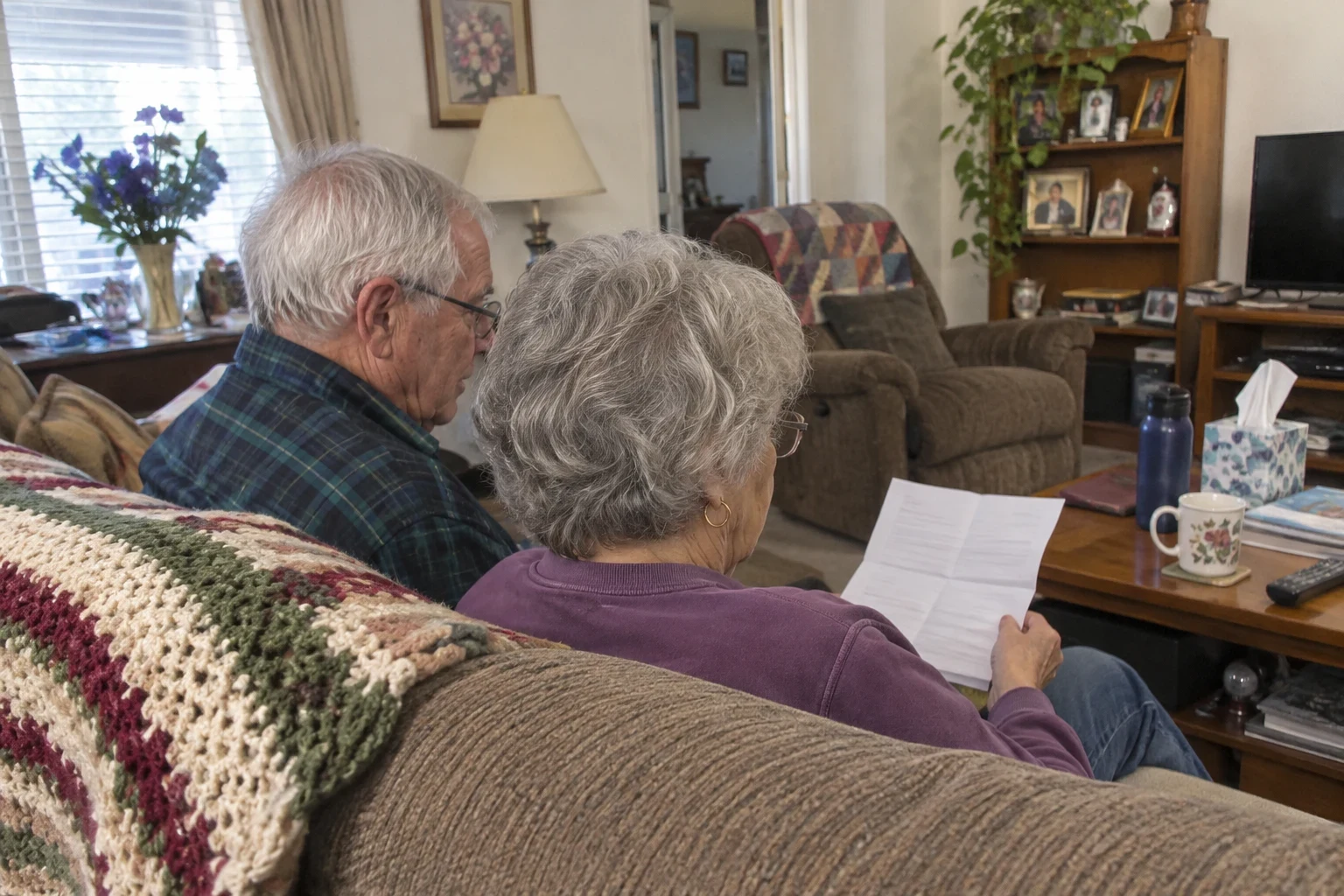
What this kind of policy covers
Final expense coverage is a scaled-down whole life policy. It lasts your whole life, provided the premiums keep getting paid. The amount is chosen to handle a funeral and the bills that usually show up after: the service itself, burial or cremation, a last hospital bill, a credit card balance.
The payment goes to whoever you name as beneficiary. They are free to use it where it is needed most, not only at the funeral home. Many people name the relative who will make the arrangements.
Term life ends after a fixed number of years; this policy is meant to be there whenever the time comes. The insurance company, not us, decides coverage, price and approval.
What you get with a final expense policy
- A modest, fixed amount
- The payout is built around last costs, not around replacing a paycheck for years. You and the agent go over the expenses you expect and settle on a figure.
- No expiration date
- Because it is whole life, it does not run out after a number of years. Keep paying the premium and it stays active.
- The person you pick gets paid
- You decide who receives the money. Update their name and contact details when life changes, so the payment goes where you meant it to.
- Some cash value
- It builds a little cash value over the years, as whole life does. The agent who reaches out can walk you through how that works in a given policy.
- Often a lighter application
- Plenty of these policies use health questions rather than an exam. A few keep the questions to a bare handful.
- A review of coverage you hold
- Already have a policy. The agent can check it first. It may already handle final costs, and then a new one is not needed. If it comes up short, a small policy can cover the difference.
Reasons people start looking at final expense coverage
Family should not foot the bill
A funeral bill often lands on relatives at the hardest time. A small policy sets money aside for it, paid to someone you chose.
A big policy is more than you need
If your goal is not to cover lost wages for years or clear a house loan, a smaller policy built around last costs is a common pick.
You would rather skip an exam
Some people prefer not to take a medical exam. Some final expense policies need none, though they usually cost more or cover less.
An old policy is a mystery
You may hold more coverage than you think, or less. Having an agent read it over makes sense before you buy anything new.
From a few questions to your decision
- 1
Answer the questions
Fill in a few short questions through our short form. It takes about two minutes for most people.
- 2
A licensed agent gets in touch
An agent licensed in California who serves your town contacts you. Together you talk through the amount you have in mind and any policy you already own.
- 3
Look at your choices
The agent lays out final expense options next to each other, including policies with health questions and policies with no medical exam. You hear what each one asks of you and how they differ.
- 4
Decide when you are ready
You are under no obligation to buy. If you choose to apply, the agent handles the paperwork and lets you know how the application is going.
What moves the price of a final expense policy
There is no one price for everyone. The insurer sets the premium from what you share on the application. The agent who contacts you can show how a larger or smaller amount changes it. With a policy this size, four things matter most.
- The amount you choose
- Paying for a simple service takes less money than paying for a service plus several last bills, so the premium is lower too. Many people try a few amounts until the monthly cost sits right.
- Exam or no exam
- Some final expense policies need no medical exam. Those usually cost more or cover less than a policy that looks more closely at your health.
- Your age when it starts
- As with any life policy, the premium depends on how old you are on the day coverage begins.
- Tobacco use
- Smoking or other tobacco use usually raises the premium.
What people ask before buying a final expense policy
Something not covered here? Ask us
Does a final expense policy need a medical exam?
Many do not. A lot of them use health questions in place of an exam. Policies that need no exam usually cost more or cover less. Either way, the insurance company, not us, decides on coverage, price and approval.
How large is a typical final expense policy?
Large enough for a funeral and the bills that follow, which is well under the size of most life policies. A good place to start is the kind of service you picture and any balances you would leave behind. You pick the final number.
Does the money go straight to the funeral home?
Only if you arrange it that way. It is paid to the person you name as beneficiary. They can put it toward the service, leftover bills or whatever needs paying first.
Does this policy build cash value?
Yes, a small amount, because it is a type of whole life. Treat it as one feature of the policy rather than the reason to buy. The agent can explain how it works in a given policy.
I already own a life policy. Do I need this too?
Not always. Ask the agent to look over what you have and see whether it already pays enough for final costs. If it does, you may not need to add anything.
What do I pay to use the service?
Nothing. The service is free, and answering the questions does not tie you to buying a policy. Take your time and decide when you are ready.
Find out what a small policy might cost you
Share a few details about the amount you are thinking of. An agent comes back with choices to read over, and nothing happens unless you say so.
- Takes about two minutes
- No obligation to buy
- Your details stay private
Free, no obligation
See your coverage options
Six short questions. About two minutes.